Background
I have been hunting my entire life. Growing up in Pennsylvania, my hunting looked a little different than it does now in Idaho. Back then, it meant long sits in a ladder stand on Dad’s property.
There’s nothing wrong with that kind of hunting. I’m a huge advocate for simply being outside, a part of God’s creation. And if people want to chase critters that way, that’s fine by me.
But once you get a taste of hunting the big mountains of the West, you quickly learn that this style is much more of a physical pursuit.
When preparing for my first elk hunt, I knew I had to find a way to build my cardiovascular system. For me, I decided that method was going to be running.
I was a very average athlete in high school. I played varsity baseball and soccer, but I knew I didn’t have the talent to pursue either beyond that. In college, I mostly lifted weights and was focused on the plans for Friday night. This led me to put some size on (some I did and did not want) and running wasn’t part of my life at all.
My first elk hunt came when I was 23. Earlier that year, I dusted off my old Nike gym shoes and started running.
“Alright, let’s just run to the gym, hit shoulders, then run home.”
It’s crazy looking back. That half-mile run to the gym was hard. I knew I was going to be in trouble once I got to Colorado—especially at altitude.
But I stuck with it. Consistently. I wasn’t thinking about marathons or ultramarathons. I just wanted to be in better shape for the mountains. Honestly, I also needed discipline at that point in my life. I trusted this process would make me a better person regardless of the physical benefits.
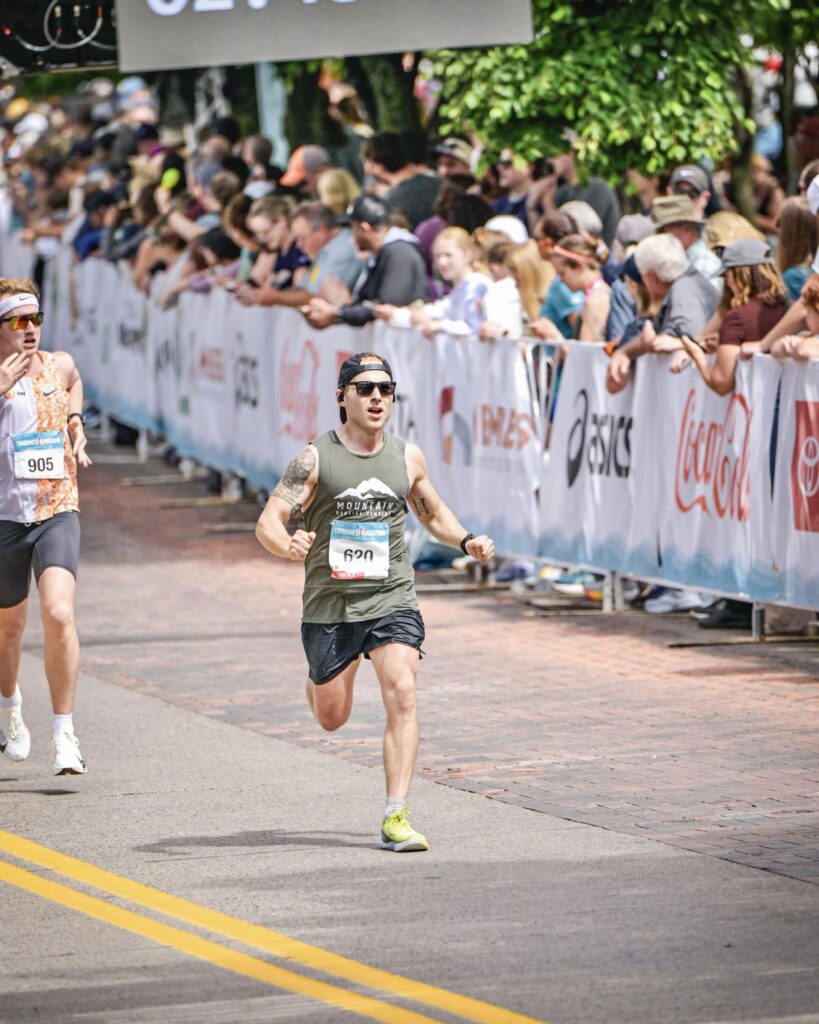
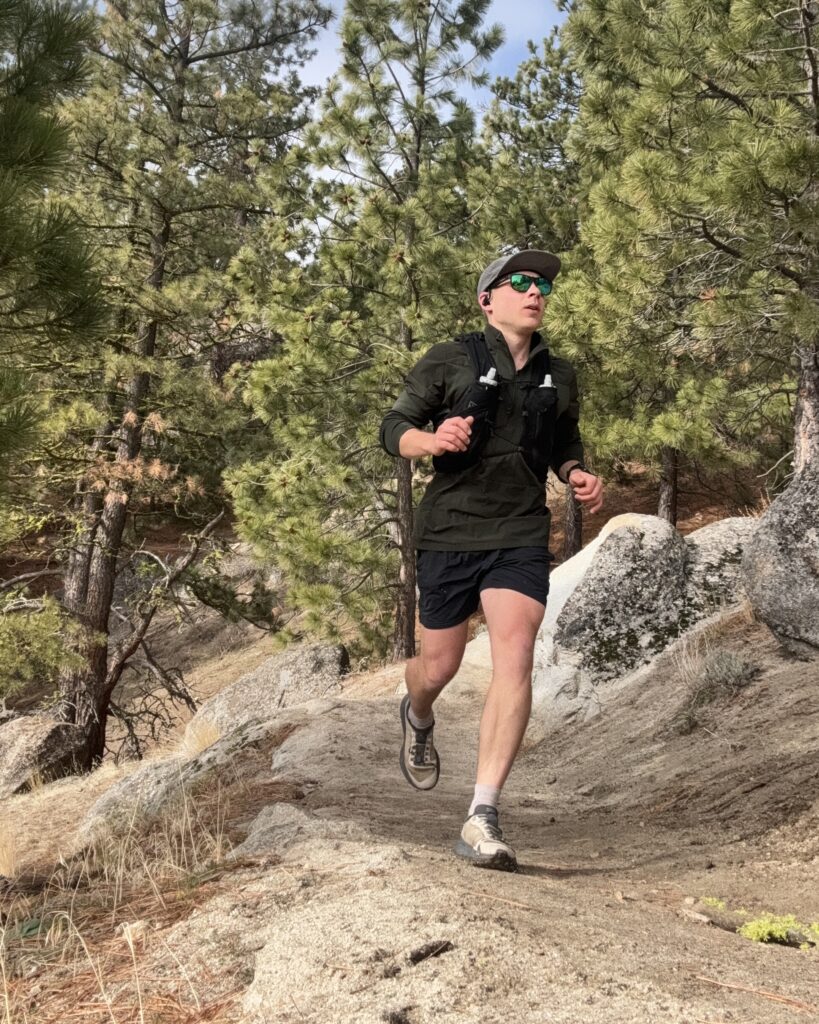
Fast forward a few years, and I now have five marathons and several ultramarathons under my belt. I’m headed to the Boston Marathon in a few months after qualifying last summer. I ran the Grandma’s Marathon in Duluth, Minnesota, finishing in 2 hours and 48 minutes—6 minutes and 25 seconds per mile for 26.2 miles. Something I never would have believed back when I struggled to run that half mile to the gym.
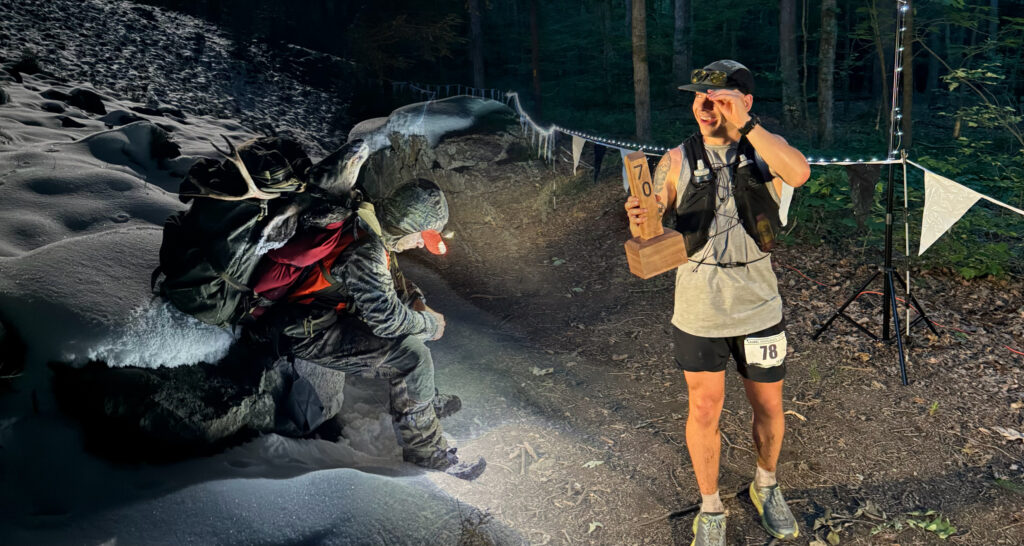
I’ve also competed in several ultramarathons and have done well really well in local ones. All of it stemmed from one simple goal: be in better shape for the mountains.
I’d say I have an addictive personality. But more than that, I love getting better. I love progress. I love the process. I’m addicted to pushing to the next level and seeing what’s possible.
Building endurance has done so much for me in the backcountry that I don’t think it’s a coincidence that I’ve become more consistently successful punching tags in the West as my cardiovascular fitness has improved.
The physical benefits are great. But the mental confidence that comes from stacking miles on your feet has made the biggest difference.
Here’s a breakdown of the physical, the recovery component, the mental side, and where to start if you’re at level zero—just like I was not long ago.
PHYSICAL
A mountain athlete. That’s what I want to be out there. That’s how I want to feel when I have a tag in my pocket. No mountain too high. No basin too far.
Whatever it takes to get where I need to be to punch a tag, I want to be physically capable.
This part is obvious. Better cardiovascular fitness only helps on a backcountry hunt: better heart rate control, better breathing control, and a higher VO2 max—which is crucial at altitude.
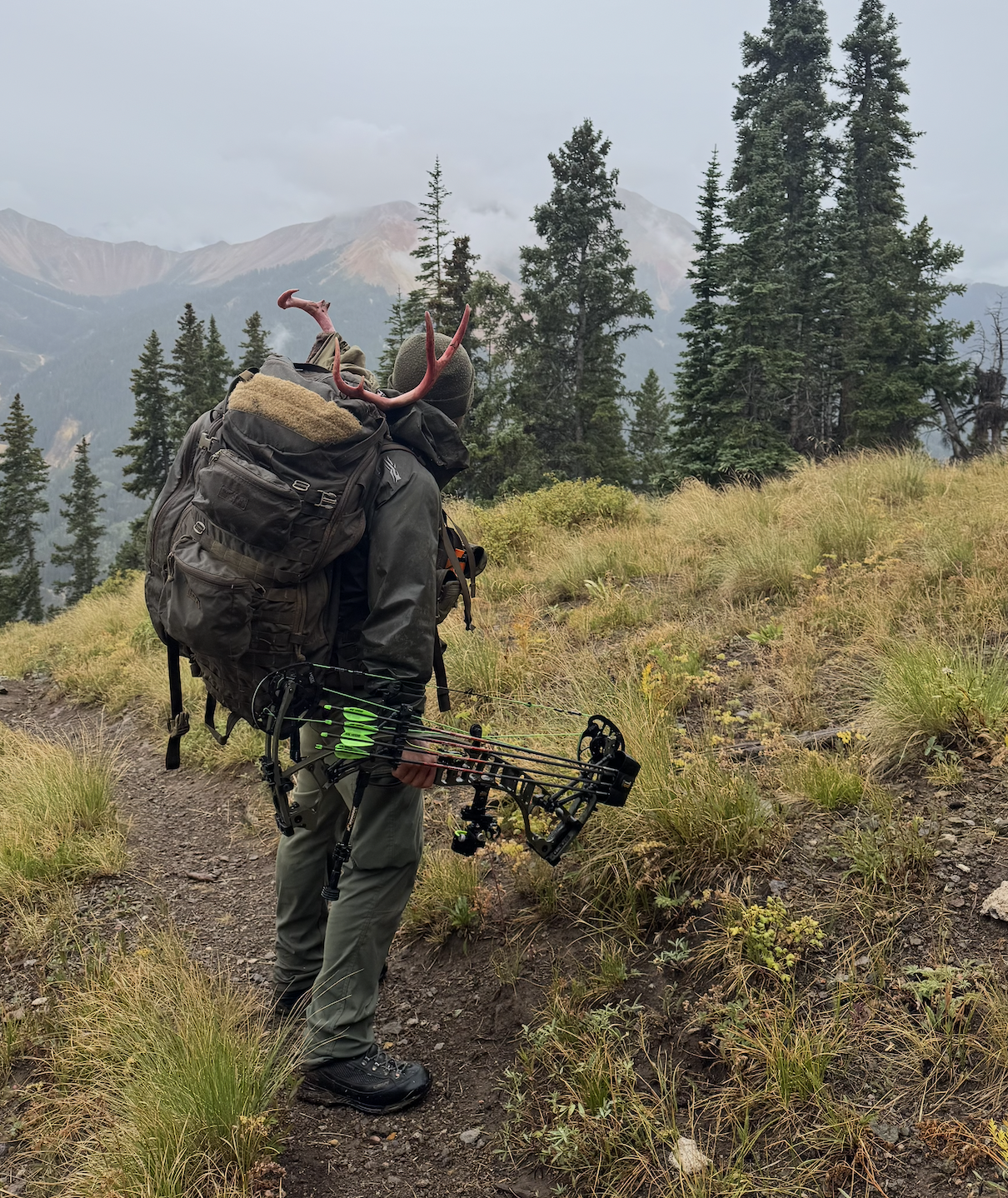
VO2 max is the maximum rate at which your body can consume and utilize oxygen during intense exercise. If someone has a higher VO2 max, they can generally fatigue less during long efforts—especially at higher elevations where the air is thinner.
Building and utilizing a bigger aerobic engine to have out there just makes sense.
RECOVERY
Another major benefit I’ve noticed is how quickly my body recovers.
When I first started running, I needed a few days off after running three miles on the weekend. I was sore and banged up.
Now, my weekends often include a 20-mile long run followed by easy shakeout miles the next day.
My legs’ ability to adapt to a huge effort and still be ready to go again is something I don’t take for granted.
Think about a backcountry hunt. Multiple days of stacking miles chasing elk or mule deer. I wake up each morning with my legs still under me and ready to push.
Because we’re not training for just day one or two. We need to be ready for day five. Day seven. And beyond.
Mental
This is by far the biggest benefit—and something I never considered when I started running.
When I’m e-scouting or pulling into a trailhead, the confidence that comes from consistently stacking big miles is huge.
“The hike in is only five miles? I do that most days before breakfast. Let’s go.”
Now, I understand hiking into a basin with a heavy pack is different than running miles on a county road. But simply being comfortable with distance gives you the activation energy to move.
You don’t want to be second-guessing yourself before the hike even begins.
Long endurance runs have also taught me invaluable soft skills: patience, stress management, and how to break big efforts into smaller pieces. Just keep putting one foot in front of the other.
Sound familiar?
That’s exactly what it takes in the backcountry. Manage stress during hard moments. Stay narrow in your focus. Be patient. Endure.
No different than a long run.
Apply that mindset to other areas of your life, and now we’re really getting somewhere.
Wrap Up
There are many great ways to train for a Western hunt. I’ll never claim one method is superior. Strength training and rucking with a heavy pack are essential. I do those consistently as well.
But if I’m honest, the biggest factor in my increased success out West has been time on my feet running. Stacking miles.
Brian Barney from Eastmans’ Bowhunting Journal uses a phrase after his training runs: “shrinking mountains.” I love that.
The more you become someone who can rationalize long distances and big climbs—and truly believe you can overcome them—the more success you’ll find.
We’re in the offseason right now. This is the time you’ll look back on in September and wish you had done more to prepare.
Do yourself a favor. Start getting in the best shape you can.
Start shrinking those mountains.
Dust off the old running shoes. Begin with what you can. A couple days a week. Maybe a mix of walking and running if that is where you need to start.
You’ll be blown away by the progression if you stick with it.
Do the work.
Build your confidence.
Become a Mountain Athlete.
Great article son can’t wait to get to pack on this fall with some meat in it👍
Thanks and likewise!
Great read right here! Simple concept put into perspective. There is no cheating the mountain, as Weston says at the “Do the work”. Love it!!
Thanks man! Glad you liked it!
Love this Weston! The mental toughness we gain through pushing our limits on the trail or gym will push us to not take shortcuts in the fall. You did great explaining that in this article. Keep doing good out there man!
Thanks Matt! Appreciate the feedback! Keep up the great work as well!